The Land - A Retreat in Kenya’s Great Rift Valley
Where the Story Begins
To run a retreat in Kenya’s Great Rift Valley is to honor that this land is the source of humanity’s shared story.
This is the land where our ancestors decided it was better to be together than alone. Where, at the end of the last ice age, a climate shift forced forced us into a new kind of living together — into cooperation, into community, into something like what we now call belonging.
Most retreat centers tell a story about themselves. We tell a story about the land we sit on. The story of this land is older and bigger than us, and we think the work that happens here is helped by knowing it.
The Archaeological Story
Archaeologists near Ishq have uncovered some of the earliest evidence of cooperative human community. The work is ongoing. New finds keep adding more to the story, but the significance of what happened here is clear.
Thousands of years ago, as the last ice age was ending, this region went through a series of climate disruptions. Lakes rose and fell. Rivers shifted course. The food sources that smaller, more isolated groups had relied on became unreliable. Survival required something new.
What happened next is, in a sense, the founding of human community as we now know it. Groups that had previously lived more separately began to gather. They shared food. They shared shelter. They organized. They formed the cooperative bands that would, over thousands of years, become the cultures, the languages, and the civilizations that fan out from this part of Africa to the rest of the world.
The Great Rift Valley is not a metaphor for human community. It is the place where human community, in something close to the form we now recognize, was actually born.
Why This Matters for a Retreat
Most people who come to a retreat are coming, in some form, to remember how to be with other people. To remember how to be with themselves. To connect with God and creation. To remember how to be in a body, on a piece of land, in a community with others. The questions that bring people to a retreat are old questions. They are, in fact, the original questions.
This land is where those questions were first answered.
What we have noticed, over years of holding retreats here, is that something settles in people on this land that does not settle as easily elsewhere. Conversations go deeper. The body relaxes faster. The patterns people came to work with become visible sooner. We do not entirely understand why. We have stopped needing to. Together, on the land, we feel home.
This is why we describe Ishq as more than a Naivasha retreat venue or a Kenya retreat center. It is a retreat in Kenya’s Great Rift Valley, and the valley is part of the work.
The Ecology
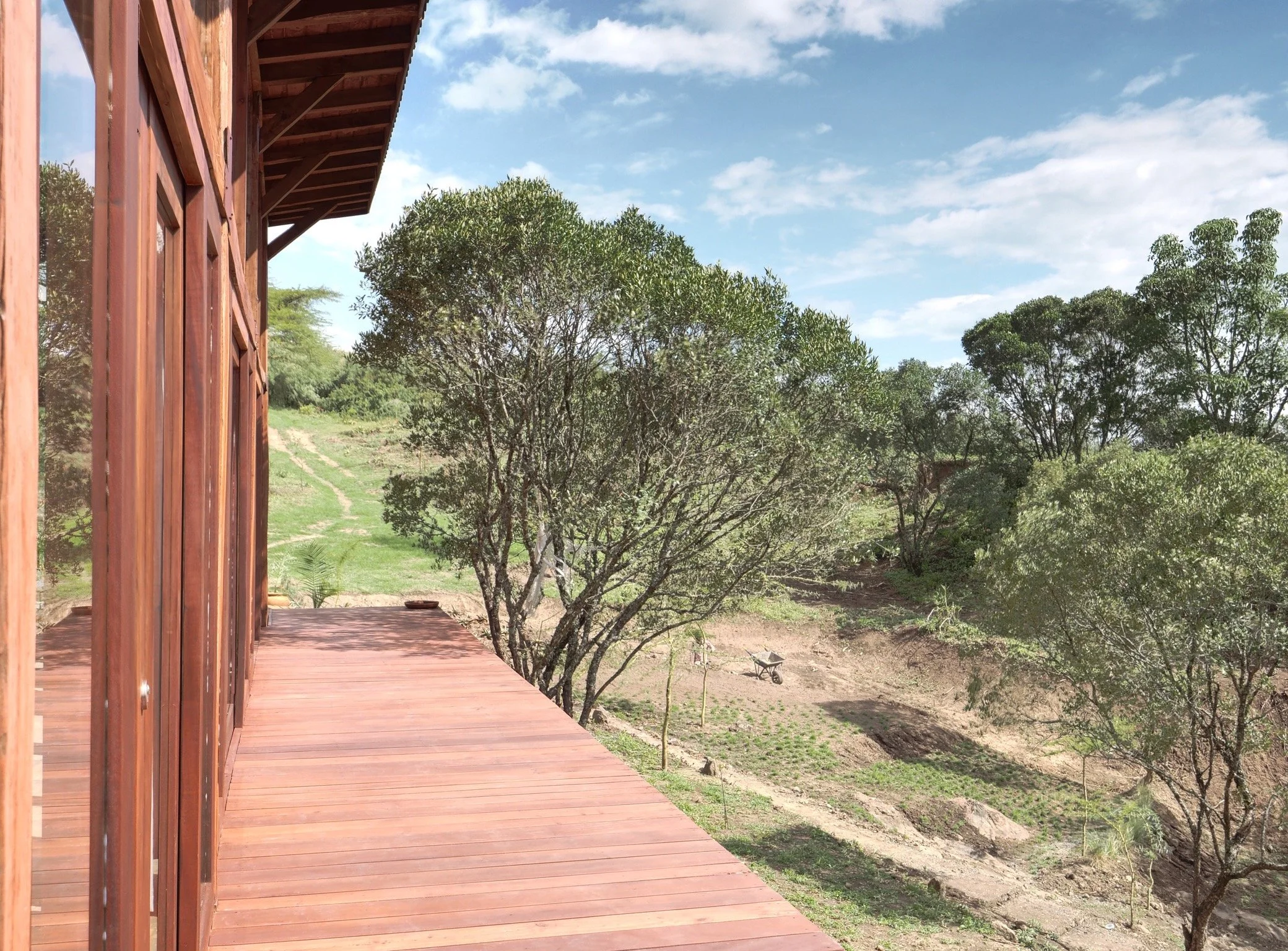
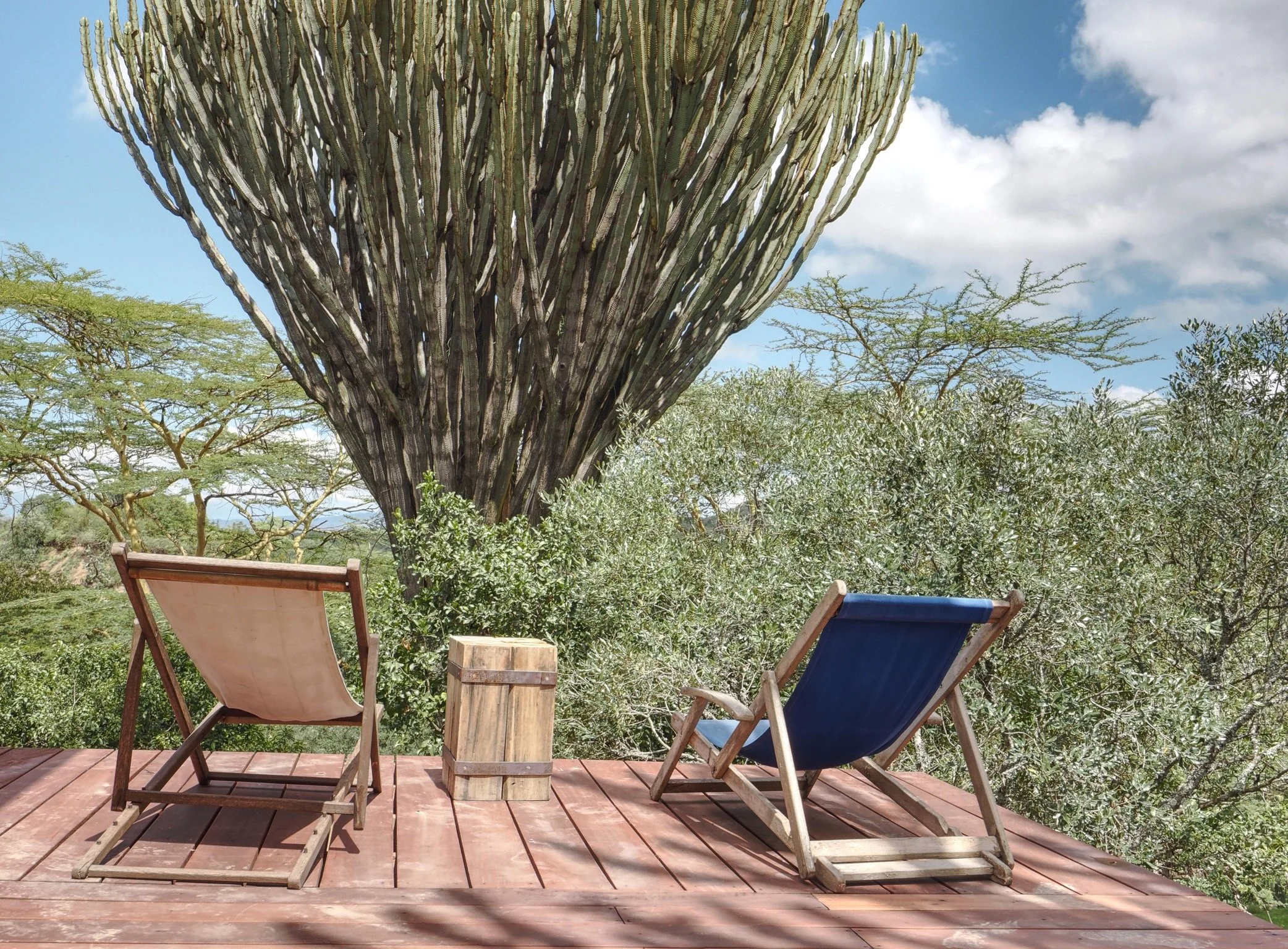
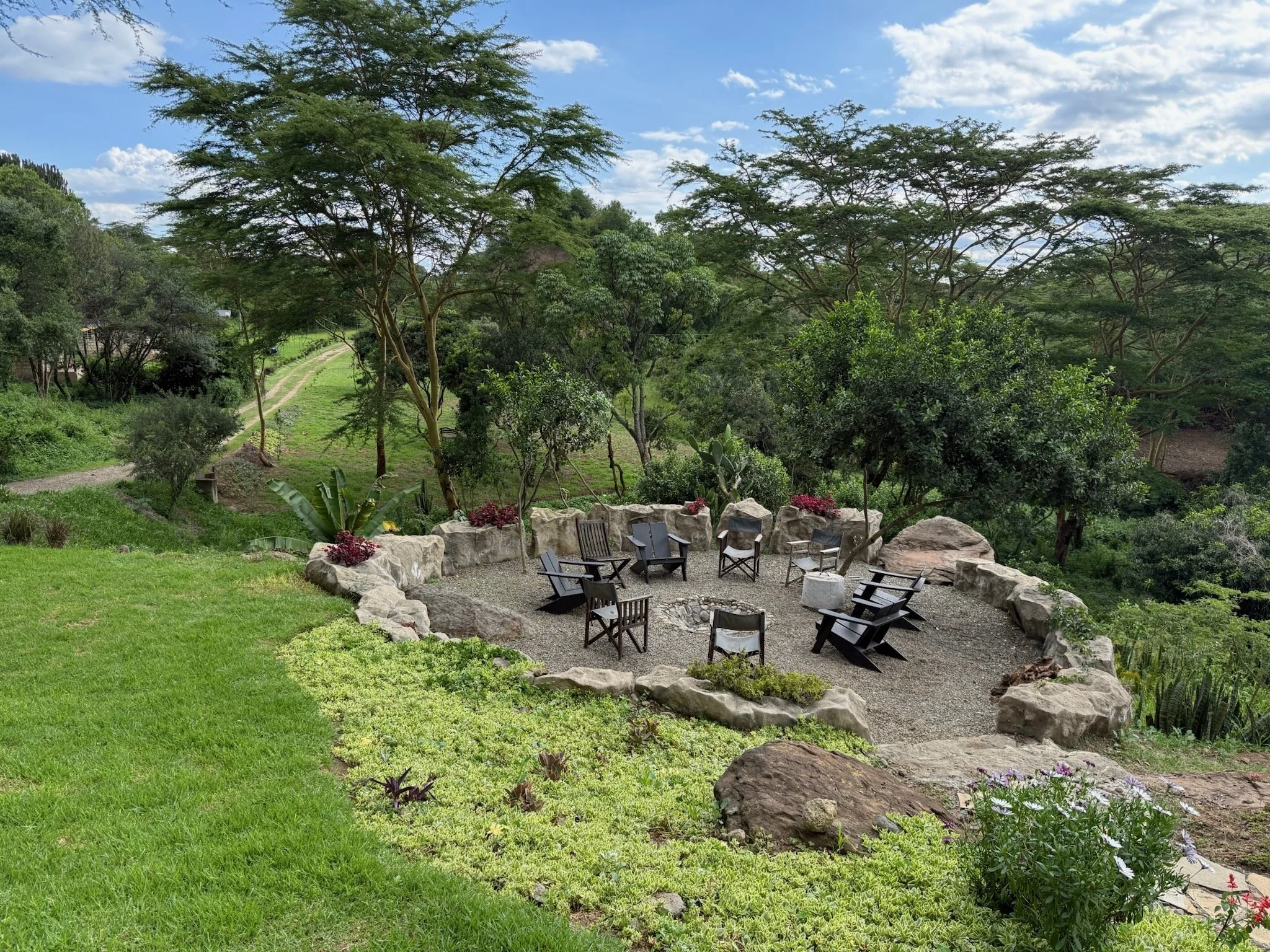
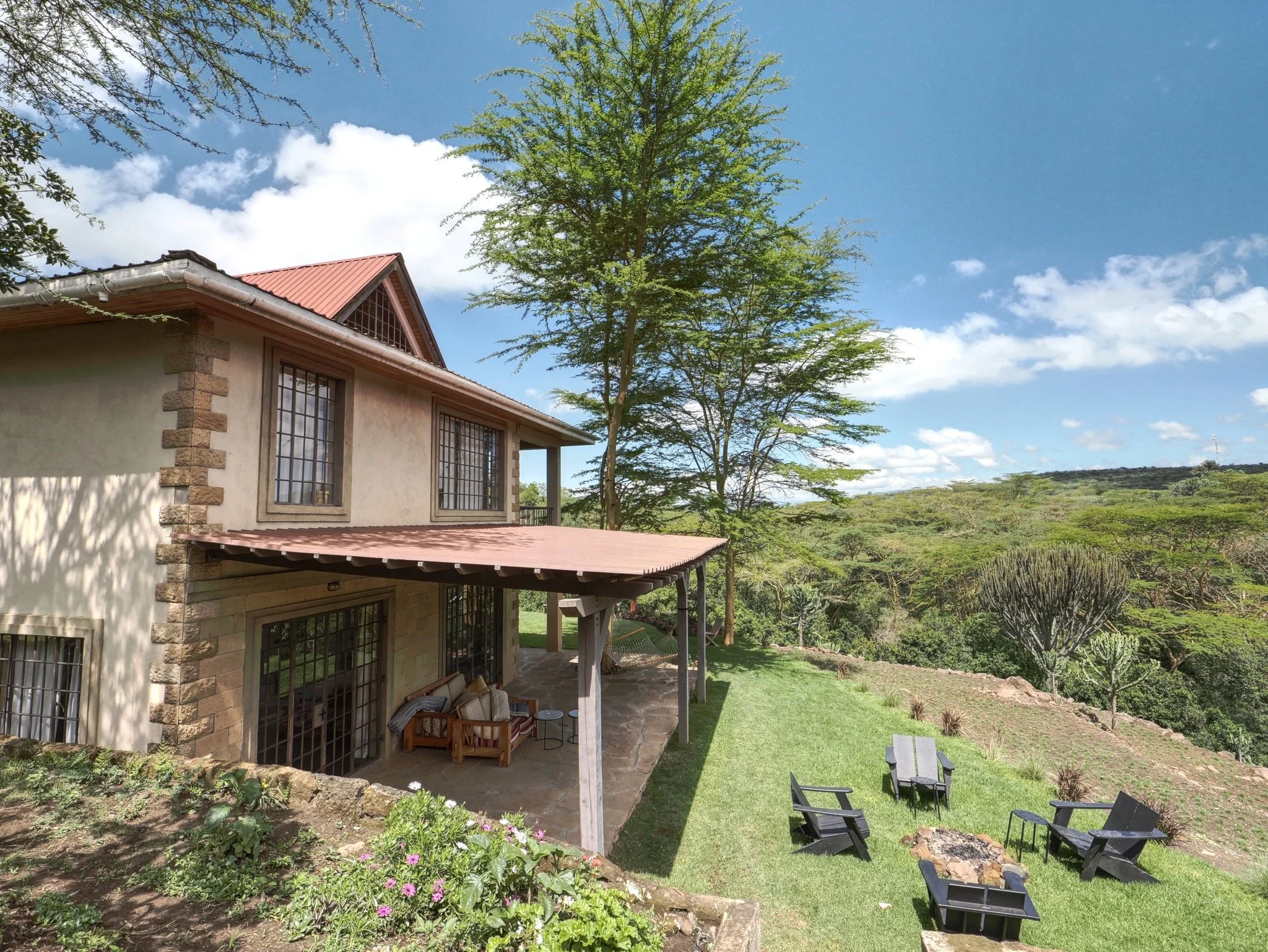
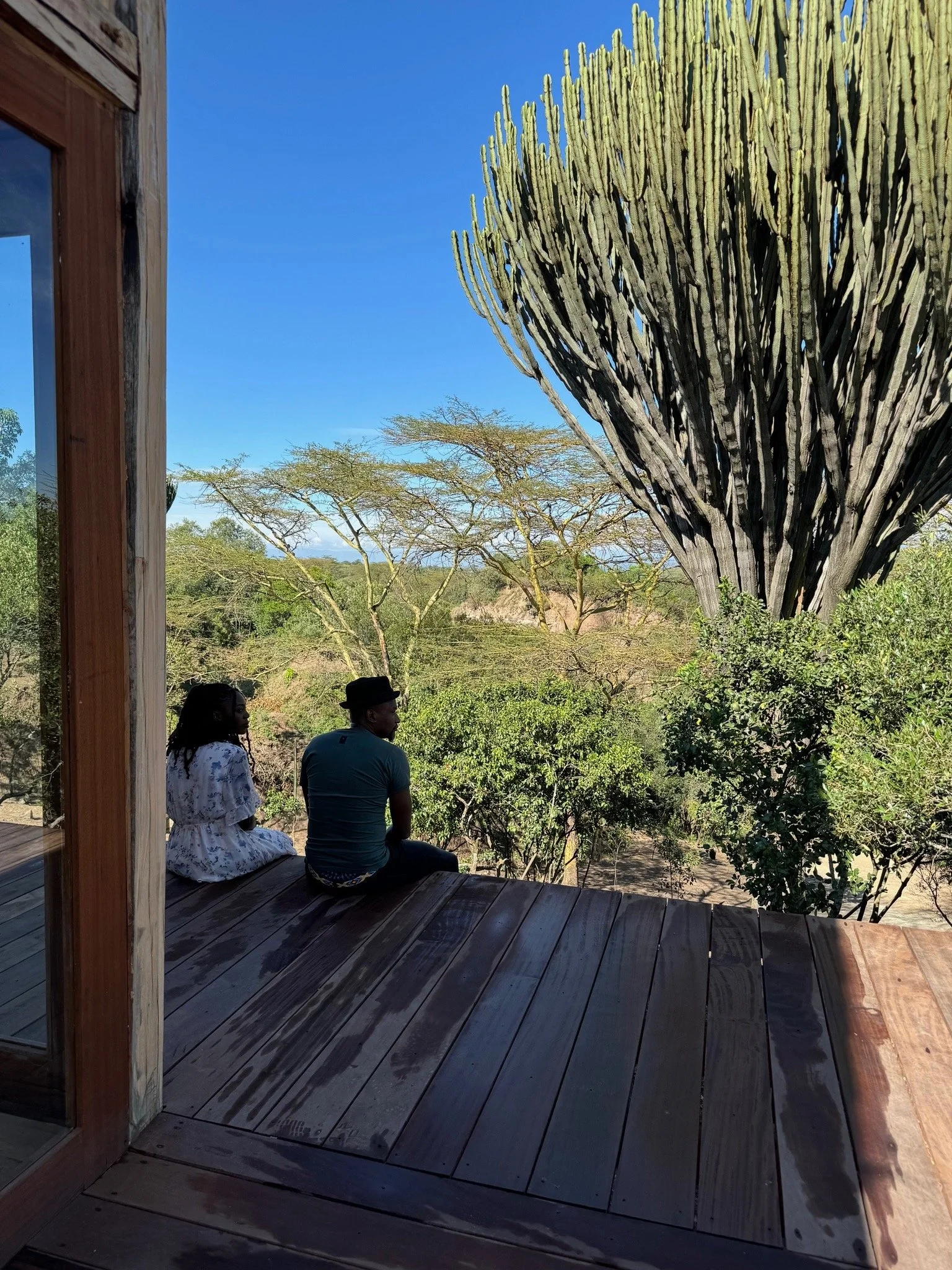
Ishq sits in the diverse Great Rift Valley.
Lake Naivasha, thirty minutes from the property, is one of the great freshwater lakes of East Africa. Hippos in the shallows. Hundreds of bird species — fish eagles, pelicans, kingfishers, the migratory flocks that pass through twice a year. Flamingos on the alkaline lakes nearby. The papyrus shores where the lake meets the land.
Hell’s Gate National Park, also close, is one of the few parks in Kenya where you can walk and cycle among the wildlife. Zebras. Giraffes. Buffalo. The gorges where the geothermal heat meets the rock.
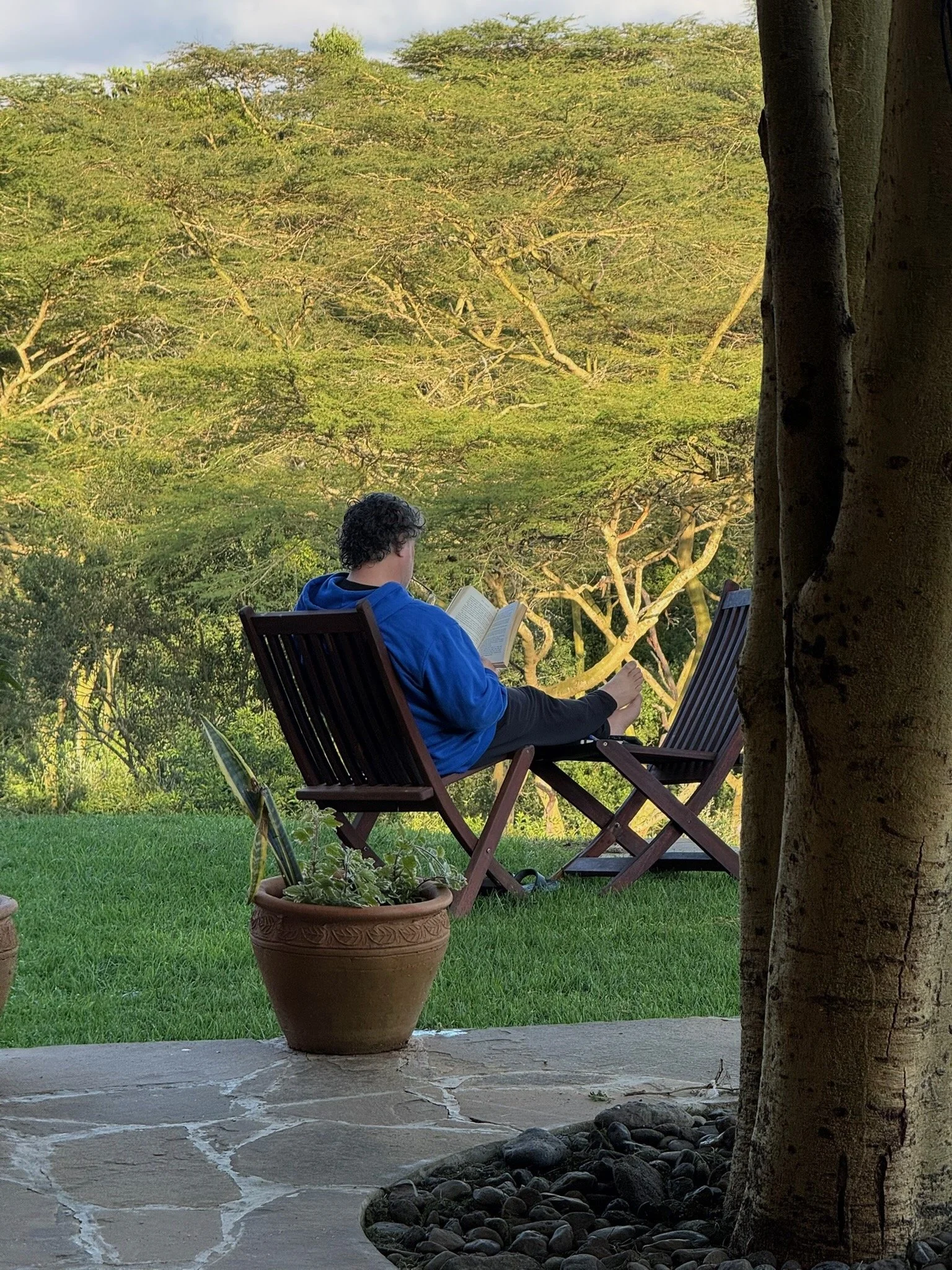
The land itself sits at around two thousand meters elevation. The air is clean. The nights are cool. The days are warm but not hot. The light, particularly in the early morning and late afternoon, is the kind of light that does something to people who have spent years under fluorescent bulbs.
For facilitators choosing a Great Rift Valley retreat venue: the ecology is part of the offering. Outdoor sessions are workable for most of the year. Morning walks. Evening fires. Practice in the garden. The land does not just sit underneath the retreat. It participates in it.
Seasons
The long dry season runs from June through October. Clear skies. No mud on the estate roads. The most popular window for international groups.
January through March is warm and dry. Excellent for combining a retreat with a safari extension to the Maasai Mara.
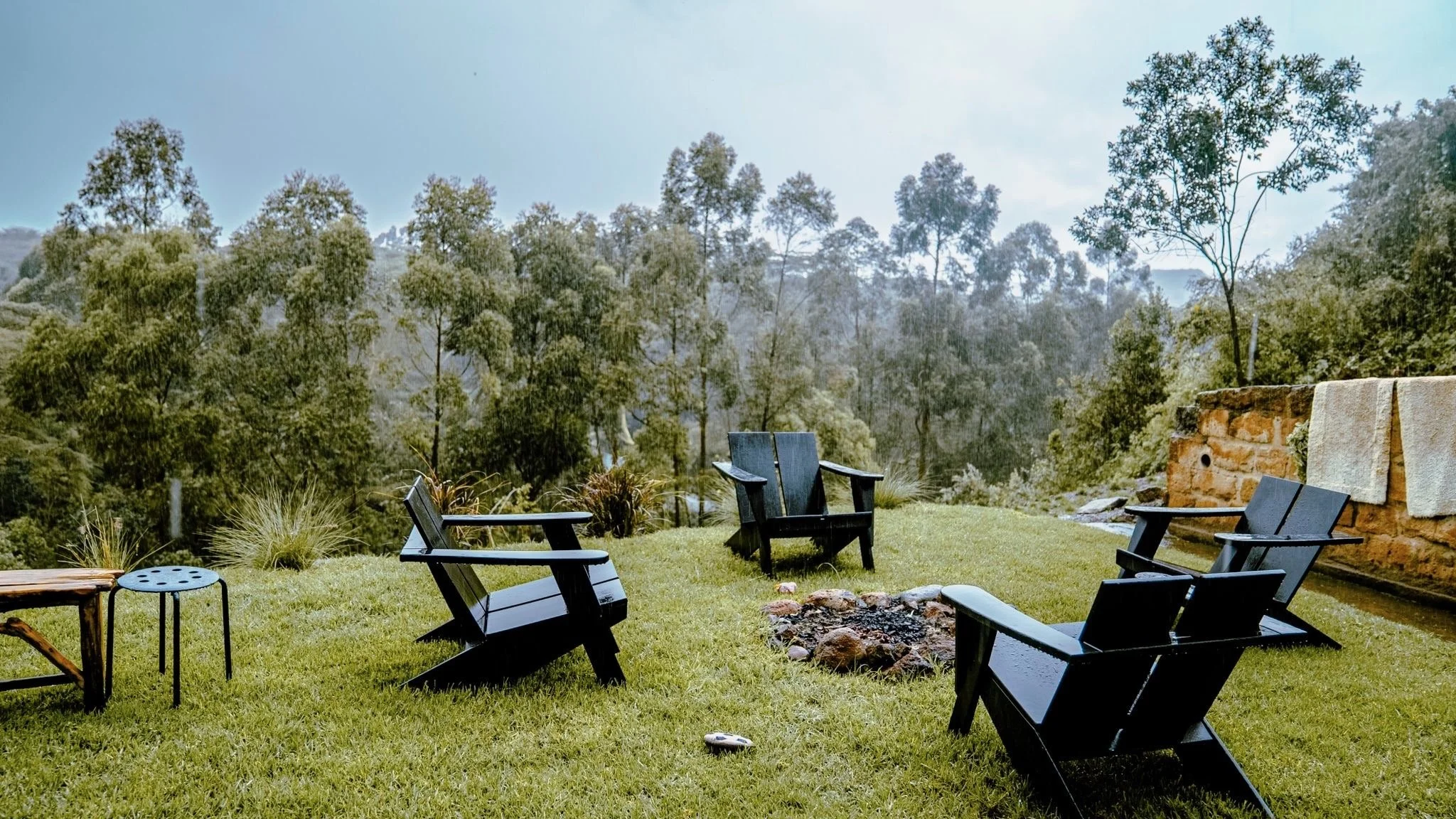
The long rains come in April and May. The short rains come in November. Both are manageable but add some logistical complexity. The land is greenest in these months, which some facilitators specifically prefer.
Getting Here
Ishq is just under two hours from Jomo Kenyatta International Airport in Nairobi by road. The drive itself is part of the arrival. Out of the city. Up the escarpment. Down into the valley. By the time you reach the gate, the journey has done some of the work.
For Nairobi-based groups, ninety minutes makes a day retreat from Nairobi possible. For international groups, we are easily accessible from the airport — no internal flights required, no second-leg logistics. Many retreat centers in Kenya at this level of remoteness require a charter flight. Ishq does not.